

Sun equals Happiness

Finally, we are enjoying some warm weather and sunshine!!!

spring sunrise

I have to admit, it has been a very, very depressing last few months. Winter started back in October and really didn’t end until last week, so it’s been a solid 6 months of cold, dreary, snow filled days. I am done and ready to welcome the chirping birds, the sunshine on my face and most importantly, my flip flops! It feels so good to not have to bundle up in a coat, socks and my winter boots anymore. I don’t know about you all, but when the sun is shining, my face is smiling! Welcome, SPRING!

Our spring session is starting in our after school enrichment programs and our theme is Celebrating the Gardening Season, because as you all know, springtime also means its time to clean up that home garden and plant those seeds. We’ve already started doing that here in our home. The kids are so excited, as am I, to start seeing the vegetables grow and the plants, trees and flowers bloom. It is my favorite time of year.
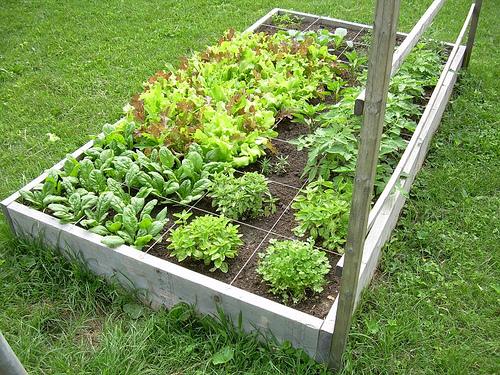
garden pics

Hope you all get some time to enjoy the beautiful, warm, sunny weather. Here’s to new beginnings!

Food Revolution Day

This Saturday, May 19th is the first annual Food Revolution Day!

Food Revolution Day  is a chance for people who love food to come together to share information, talents and resources; to pass on their knowledge and highlight the world’s food issues. All around the globe, people will work together to make a difference.

Food Revolution Day is about connecting with your community through events at schools, restaurants, local businesses, dinner parties and farmers’ markets. It’s a chance to inspire change in people’s eating habits and to promote better food education for everyone. We need to do it for ourselves and for the future of our children.

Make your first step on Saturday. It’s easy! You can start by making a fresh fruit smoothie as a healthy, refreshing snack, host a family dinner night by cooking a healthy meal together and then sitting around the table, eating together as a family, go for an afternoon walk or bike ride, go to your local farm and pick up some vegetable plants to start a small garden. If each one of us takes charge of our health, then together we can fight obesity, cancer, diabetes  and teach our children how to live happy, healthy lives.

Join Jamie Oliver in his fight to make America a healthier nation.

The Dirty Dozen, Plus

Buying organic is healthier for the environment, farmers and for you and your family. Organic food is produced by farmers who emphasize the use of renewable resources and conservation of soil and water to enhance the environmental quality for future generations.

Organic meat, poultry, eggs and dairy products come from animals that are not given any antibiotics or growth hormones. Organic food is produced without using most conventional pesticides.

Since many of us can’t afford to buy all 100% organic, the solution is to avoid those foods that have the heaviest amount of pesticides, chemicals, additives and hormones. Here are the Dirty Dozen: Meat, Milk, Coffee, Celery, Peaches, Strawberries, Apples, Blueberries, Nectarines, Bell Peppers, Spinach, Kale, Cherries, Potatoes and Grapes. Plus, here are some others that are frequently contaminated with potent pesticides: Lettuce, Tomatoes, Carrots and Pears. Most of these are easy to find at your local grocer as well as at Farmer’s Markets during the summer season. Other grocers that sell a variety of quality organic produce, coffee and dairy are Whole Foods Market and Trader Joes.

I’ve pulled together this organic/conventional list that may be useful during your shopping trips. This is a great resource for our family.

Organic Fruit: Apples, Blueberries. Cherries, Grapes, Nectarines, Peaches, Pears, Raspberries, Strawberries

Organic Vegetables: Bell Peppers, Celery, Lettuce, Potatoes, Spinach, Swiss Chard, Tomatoes

Organic Dairy: Butter, Cheese, Eggs, Milk, Yogurt, Peanut Butter

Organic Other: Meat, Poultry

Conventional Fruit: Avocados, Bananas, Grapefruit, Kiwi, Mangos, Oranges, Papaya, Pineapple

Conventional Vegetables: Asparagus, Brocolli, Cauliflower, Cabbage, Corn, Eggplant, Onions, Sweet Peas, Sweet Potatoes

Conventional Other: Bread, Cereal, Pasta

According to the Environmental Working Group, consumers can reduce their pesticide exposure by 80% by avoiding the most contaminated fruits and vegetables. Here’s a great article with more information: http://www.thedailygreen.com/healthy-eating/eat-safe/Dirty-Dozen-Foods.

Organic foods are a healthy, wholesome, safe choice for all of us, especially for growing infants and children. The most important lesson is for all of us to do the best that we can for ourselves and for our children. Support our local farmer’s efforts and buy local/organic whenever possible.